Introduction
There are 230 types of space group(s), which can be organized in a hierarchical structure of supergroup(s)/subgroup(s).another pageas explained, space group subgroup(s) include t-subgroup(s) and k-subgroup(s).The former is a subgroup where the unit cell size does not change, but the crystal class (the 32 types of crystallographic point group(s) to which the space group belongs) change.The latter is a subgroup where the unit cell size may or may not change, but the crystal class(es) is kept invariant.
On this page, the hierarchical structure (graph) of k-subgroup(s) is introduced.Since k-subgroup(s) are subgroup(s) where crystal class(es) do not change, introducing at most 32 tree structure(s) is sufficient.Among these, the crystal class(es) \(1\), \(\bar{1}\), \(\bar{6}\) each contain only one space group.Additionally, the crystal class(es) \(6mm\) and \(6/mmm\), \(6\) and \(622\), \(3m\) and \(\bar{3}m\) have the same hierarchical structure.In conclusion, the meaningful hierarchical structure(s) of k-subgroup(s) can be summarized into 26 graph(s).The table below summarizes the graph number(s) in which each space group appears.
| 1 | \(P1\) | – | 47 | \(Pmmm\) | 5.1. | 93 | \(P4_222\) | 4.4. | 139 | \(I4/mmm\) | 4.1. | 185 | \(P6_3cm\) | 2.1. |
| 2 | \(P\bar{1}\) | – | 48 | \(Pnnn\) | 94 | \(P4_22_12\) | 140 | \(I4/mcm\) | 186 | \(P6_3mc\) | ||||
| 3 | \(P2\) | 6.3. | 49 | \(Pccm\) | 95 | \(P4_322\) | 141 | \(I4_1/amd\) | 187 | \(P\bar{6}m2\) | 2.2. | |||
| 4 | \(P2_1\) | 50 | \(Pban\) | 96 | \(P4_32_12\) | 142 | \(I4_1/acd\) | 188 | \(P\bar{6}c2\) | |||||
| 5 | \(C2\) | 51 | \(Pmma\) | 97 | \(I422\) | 143 | \(P3\) | 3.4. | 189 | \(P\bar{6}2m\) | ||||
| 6 | \(Pm\) | 6.2. | 52 | \(Pnna\) | 98 | \(I4_122\) | 144 | \(P3_1\) | 190 | \(P\bar{6}2c\) | ||||
| 7 | \(Pc\) | 53 | \(Pmna\) | 99 | \(P4mm\) | 4.3. | 145 | \(P3_2\) | 191 | \(P6/mmm\) | 2.1. | |||
| 8 | \(Cm\) | 54 | \(Pcca\) | 100 | \(P4bm\) | 146 | \(R3\) | 192 | \(P6/mcc\) | |||||
| 9 | \(Cc\) | 55 | \(Pbam\) | 101 | \(P4_2cm\) | 147 | \(P\bar{3}\) | 3.3. | 193 | \(P6_3/mcm\) | ||||
| 10 | \(P2/m\) | 6.1. | 56 | \(Pccn\) | 102 | \(P4_2nm\) | 148 | \(R\bar{3}\) | 194 | \(P6_3/mmc\) | ||||
| 11 | \(P2_1/m\) | 57 | \(Pbcm\) | 103 | \(P4cc\) | 149 | \(P312\) | 3.2. | 195 | \(P23\) | 1.5 | |||
| 12 | \(C2/m\) | 58 | \(Pnnm\) | 104 | \(P4nc\) | 150 | \(P321\) | 196 | \(F23\) | |||||
| 13 | \(P2/c\) | 59 | \(Pmmn\) | 105 | \(P4_2mc\) | 151 | \(P3_112\) | 197 | \(I23\) | |||||
| 14 | \(P2_1/c\) | 60 | \(Pbcn\) | 106 | \(P4_2bc\) | 152 | \(P3_121\) | 198 | \(P2_13\) | |||||
| 15 | \(C2/c\) | 61 | \(Pbca\) | 107 | \(I4mm\) | 153 | \(P3_212\) | 199 | \(I2_13\) | |||||
| 16 | \(P222\) | 5.3. | 62 | \(Pnma\) | 108 | \(I4cm\) | 154 | \(P3_221\) | 200 | \(Pm\bar{3}\) | 1.4. | |||
| 17 | \(P222_1\) | 63 | \(Cmcm\) | 109 | \(I4_1md\) | 155 | \(R32\) | 201 | \(Pn\bar{3}\) | |||||
| 18 | \(P2_12_12\) | 64 | \(Cmca\) | 110 | \(I4_1cd\) | 156 | \(P3m1\) | 3.1. | 202 | \(Fm\bar{3}\) | ||||
| 19 | \(P2_12_12_1\) | 65 | \(Cmmm\) | 111 | \(P\bar{4}2m\) | 4.2. | 157 | \(P31m\) | 203 | \(Fd\bar{3}\) | ||||
| 20 | \(C222_1\) | 66 | \(Cccm\) | 112 | \(P\bar{4}2c\) | 158 | \(P3c1\) | 204 | \(Im\bar{3}\) | |||||
| 21 | \(C222\) | 67 | \(Cmma\) | 113 | \(P\bar{4}2_1m\) | 159 | \(P31c\) | 205 | \(Pa\bar{3}\) | |||||
| 22 | \(F222\) | 68 | \(Ccce\) | 114 | \(P\bar{4}2_1c\) | 160 | \(R3m\) | 206 | \(Ia\bar{3}\) | |||||
| 23 | \(I222\) | 69 | \(Fmmm\) | 115 | \(P\bar{4}m2\) | 161 | \(R3c\) | 207 | \(P432\) | 1.3. | ||||
| 24 | \(I2_12_12_1\) | 70 | \(Fddd\) | 116 | \(P\bar{4}c2\) | 162 | \(P\bar{3}1m\) | 208 | \(P4_232\) | |||||
| 25 | \(Pmm2\) | 5.2. | 71 | \(Immm\) | 117 | \(P\bar{4}b2\) | 163 | \(P\bar{3}1c\) | 209 | \(F432\) | ||||
| 26 | \(Pmc2_1\) | 72 | \(Ibam\) | 118 | \(P\bar{4}n2\) | 164 | \(P\bar{3}m1\) | 210 | \(F4_132\) | |||||
| 27 | \(Pcc2\) | 73 | \(Ibca\) | 119 | \(I\bar{4}m2\) | 165 | \(P\bar{3}c1\) | 211 | \(I432\) | |||||
| 28 | \(Pma2\) | 74 | \(Imma\) | 120 | \(I\bar{4}c2\) | 166 | \(R\bar{3}m\) | 212 | \(P4_332\) | |||||
| 29 | \(Pca2_1\) | 75 | \(P4\) | 4.7. | 121 | \(I\bar{4}2m\) | 167 | \(R\bar{3}c\) | 213 | \(P4_132\) | ||||
| 30 | \(Pnc2\) | 76 | \(P4_1\) | 122 | \(I\bar{4}2d\) | 168 | \(P6\) | 2.3. | 214 | \(I4_132\) | ||||
| 31 | \(Pmn2_1\) | 77 | \(P4_2\) | 123 | \(P4/mmm\) | 4.1. | 169 | \(P6_1\) | 215 | \(P\bar{4}3m\) | 1.2. | |||
| 32 | \(Pba2\) | 78 | \(P4_3\) | 124 | \(P4/mcc\) | 170 | \(P6_5\) | 216 | \(F\bar{4}3m\) | |||||
| 33 | \(Pna2_1\) | 79 | \(I4\) | 125 | \(P4/nbm\) | 171 | \(P6_2\) | 217 | \(I\bar{4}3m\) | |||||
| 34 | \(Pnn2\) | 80 | \(I4_1\) | 126 | \(P4/nnc\) | 172 | \(P6_4\) | 218 | \(P\bar{4}3n\) | |||||
| 35 | \(Cmm2\) | 81 | \(P\bar{4}\) | 4.6. | 127 | \(P4/mbm\) | 173 | \(P6_3\) | 219 | \(F\bar{4}3c\) | ||||
| 36 | \(Cmc2_1\) | 82 | \(I\bar{4}\) | 128 | \(P4/mnc\) | 174 | \(P\bar{6}\) | – | 220 | \(I\bar{4}3d\) | ||||
| 37 | \(Ccc2\) | 83 | \(P4/m\) | 4.5. | 129 | \(P4/nmm\) | 175 | \(P6/m\) | 2.4. | 221 | \(Pm\bar{3}m\) | 1.1. | ||
| 38 | \(Amm2\) | 84 | \(P4_2/m\) | 130 | \(P4/ncc\) | 176 | \(P6_3/m\) | 222 | \(Pn\bar{3}n\) | |||||
| 39 | \(Abm2\) | 85 | \(P4/n\) | 131 | \(P4_2/mmc\) | 177 | \(P622\) | 2.3. | 223 | \(Pm\bar{3}n\) | ||||
| 40 | \(Ama2\) | 86 | \(P4_2/n\) | 132 | \(P4_2/mcm\) | 178 | \(P6_122\) | 224 | \(Pn\bar{3}m\) | |||||
| 41 | \(Aba2\) | 87 | \(I4/m\) | 133 | \(P4_2/nbc\) | 179 | \(P6_522\) | 225 | \(Fm\bar{3}m\) | |||||
| 42 | \(Fmm2\) | 88 | \(I4_1/a\) | 134 | \(P4_2/nnm\) | 180 | \(P6_222\) | 226 | \(Fm\bar{3}c\) | |||||
| 43 | \(Fdd2\) | 89 | \(P422\) | 4.4. | 135 | \(P4_2/mbc\) | 181 | \(P6_422\) | 227 | \(Fd\bar{3}m\) | ||||
| 44 | \(Imm2\) | 90 | \(P42_12\) | 136 | \(P4_2/mnm\) | 182 | \(P6_322\) | 228 | \(Fd\bar{3}c\) | |||||
| 45 | \(Iba2\) | 91 | \(P4_122\) | 137 | \(P4_2/nmc\) | 183 | \(P6mm\) | 2.1. | 229 | \(Im\bar{3}m\) | ||||
| 46 | \(Ima2\) | 92 | \(P4_12_12\) | 138 | \(P4_2/ncm\) | 184 | \(P6cc\) | 230 | \(Ia\bar{3}d\) |
How to Read the Graphs
- All space group(s) have isomorphic k-subgroup(s) (with the same notation, but subgroup(s) with larger size than the original unit cell1) exist, but in the graph on this pageisomorphic k-subgroup(s) are not represented。
- because representing isomorphic k-subgroup(s) would create redundant loops with overlapping start and end points.
- The level (height) of space group(s) in the graph has meaning only in relative relationships.
- Unlike t-subgroup graphs, there is no relationship between the level of space group(s) and the order of the group.
- A lower space group connected by a line is a k-maximal subgroup of the upper space groupis shown.
- A space group at the lowest level with no arrows indicates that non-isomorphic k-subgroup(s) do not exist.
- When space group(s) at the same level are connected by arrows, the arrowhead space group is a k-maximal subgroup of the arrow tail space groupis indicated.
- In the case of a double-headed arrow, both are k-maximal subgroup(s) of each otheris indicated2。
- The space group notation’s Graphs with multiple background color(s) summarize subgroup(s) relationship(s) with identical hierarchical structure(s).
- The number (such as 2.5.5.5.) written in the lower right of each graph corresponds to the table number in International Tables for Crystallography A1 (1st edition).
1. Cubic crystal system
1.1. crystal class \(m\bar{3}m\)
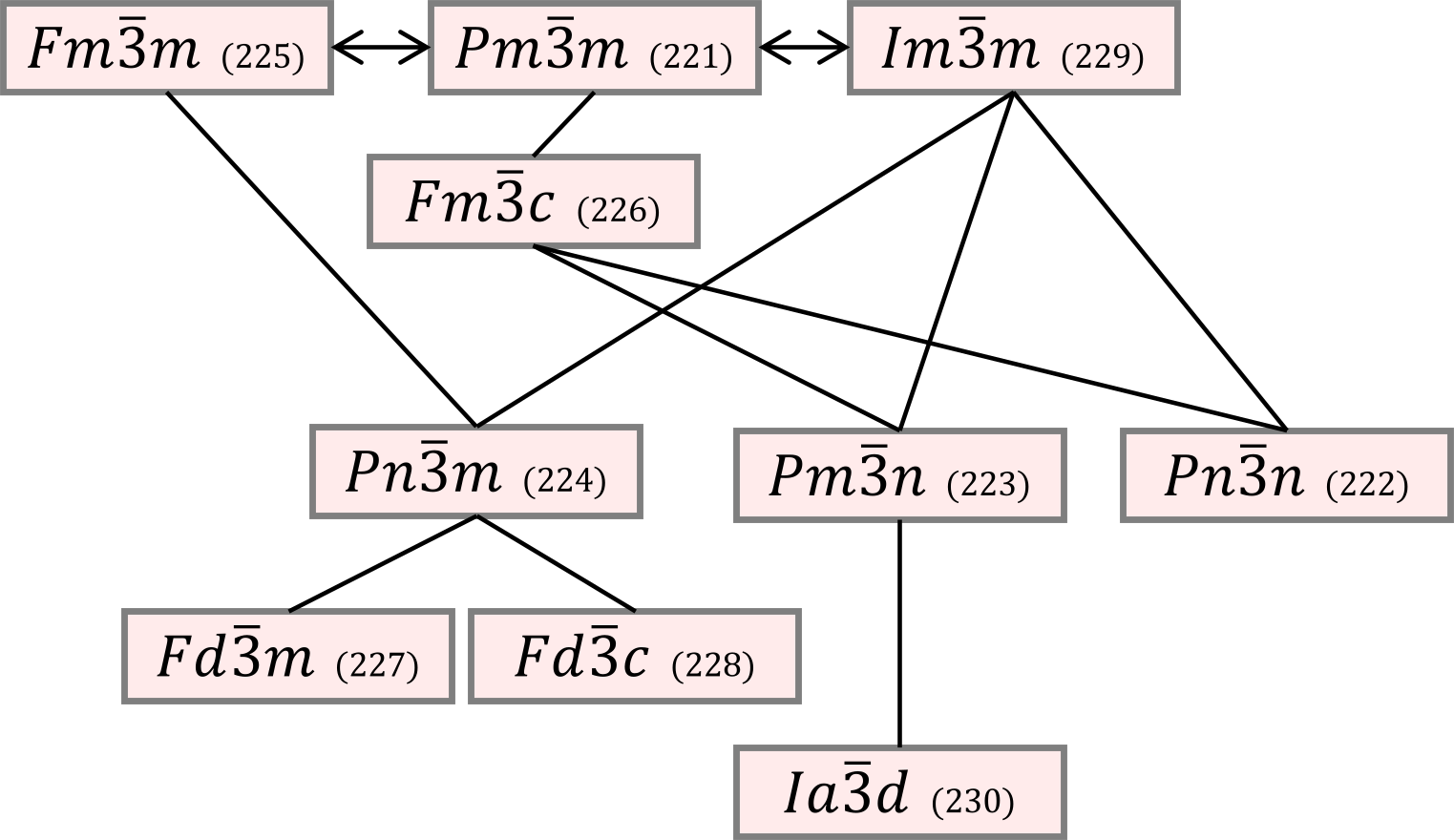
2.5.5.5.
1.2. crystal class \(\bar{4}3m\)
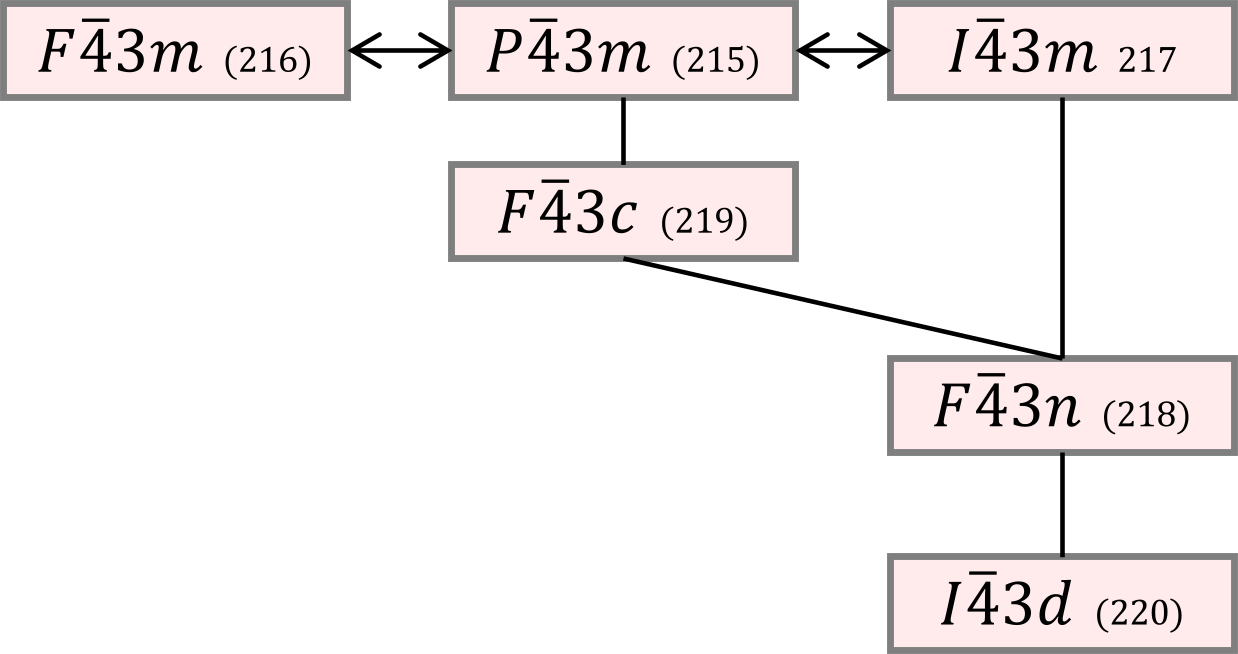
2.5.5.4.
1.3. crystal class \(432\)
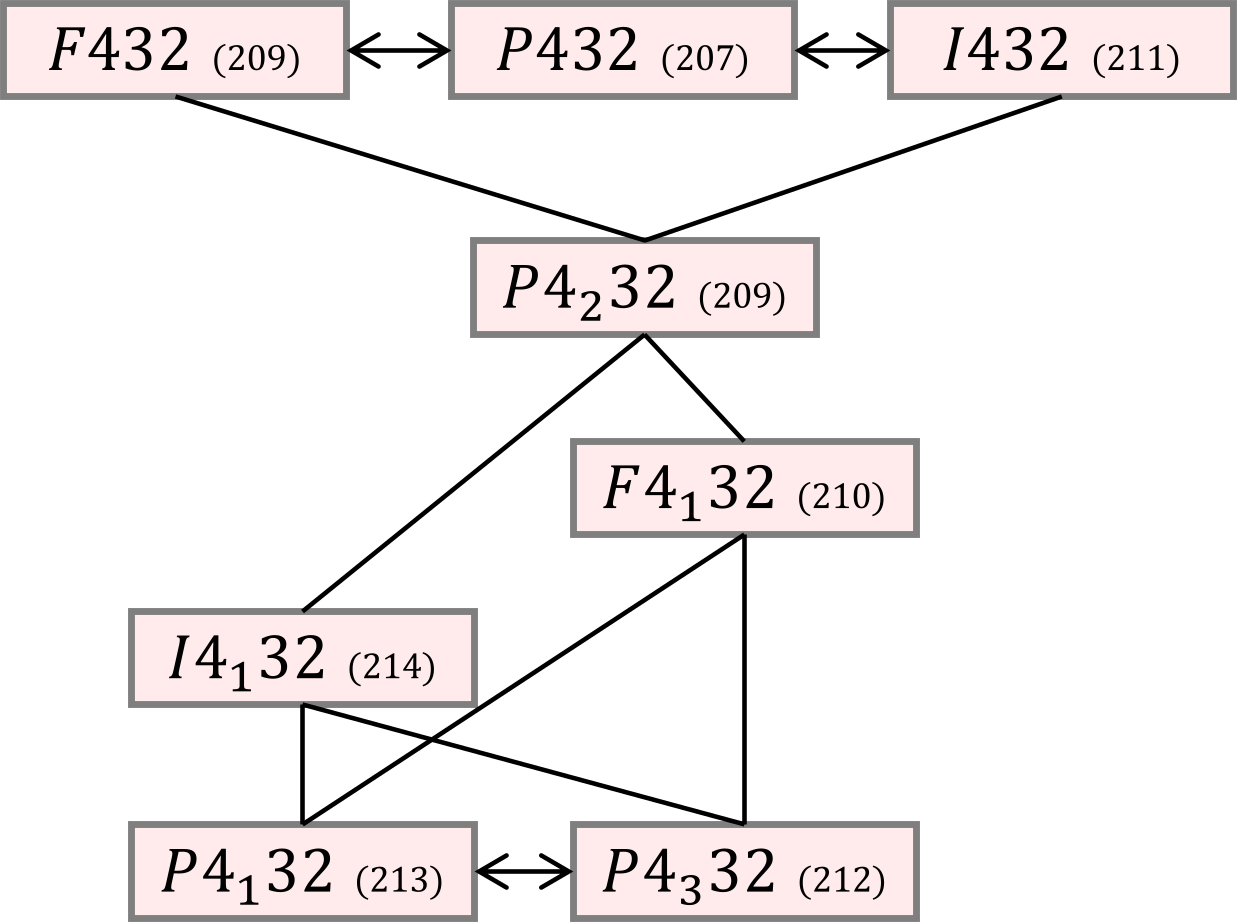
2.5.5.3.
1.4. crystal class \(m\bar{3}\)
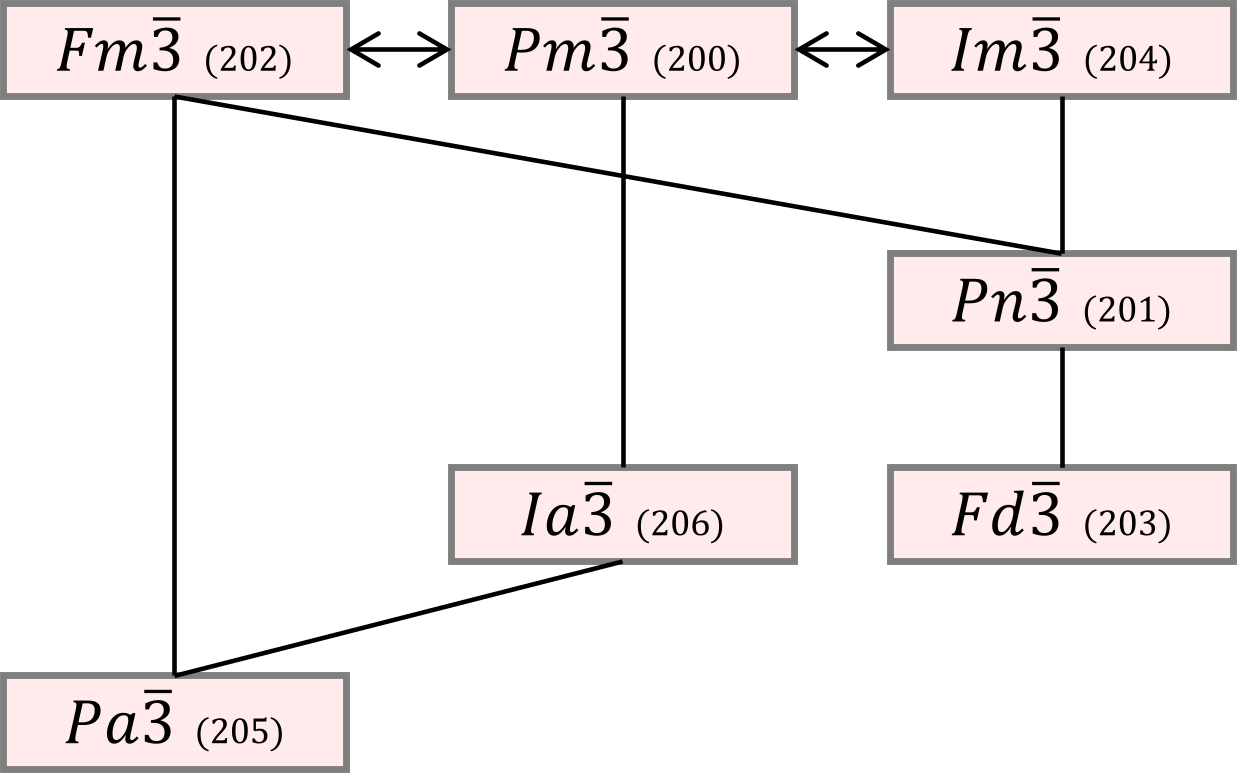
2.5.3.2.
1.5. crystal class \(23\)
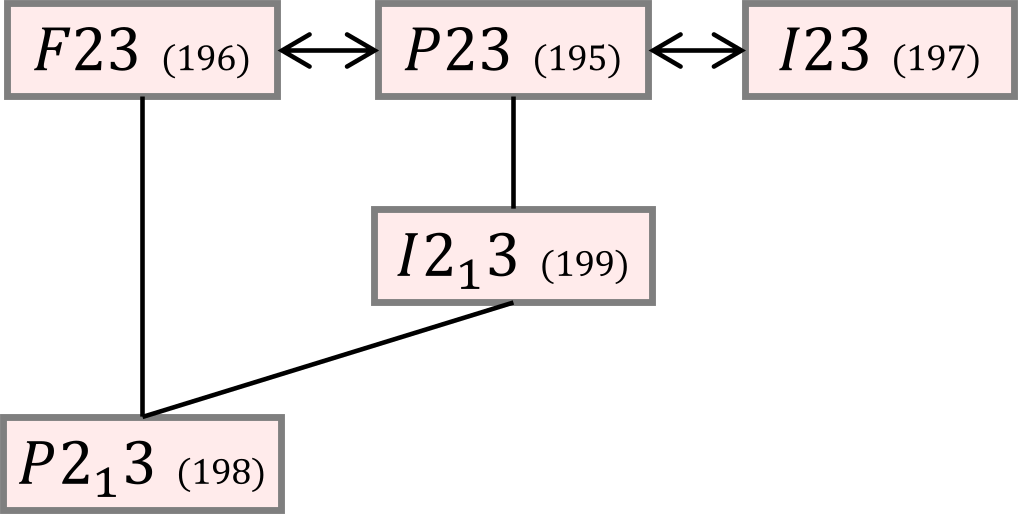
2.5.3.1.
2. Hexagonal crystal system
2.1. crystal class \(6/mmm\), \(6mm\)
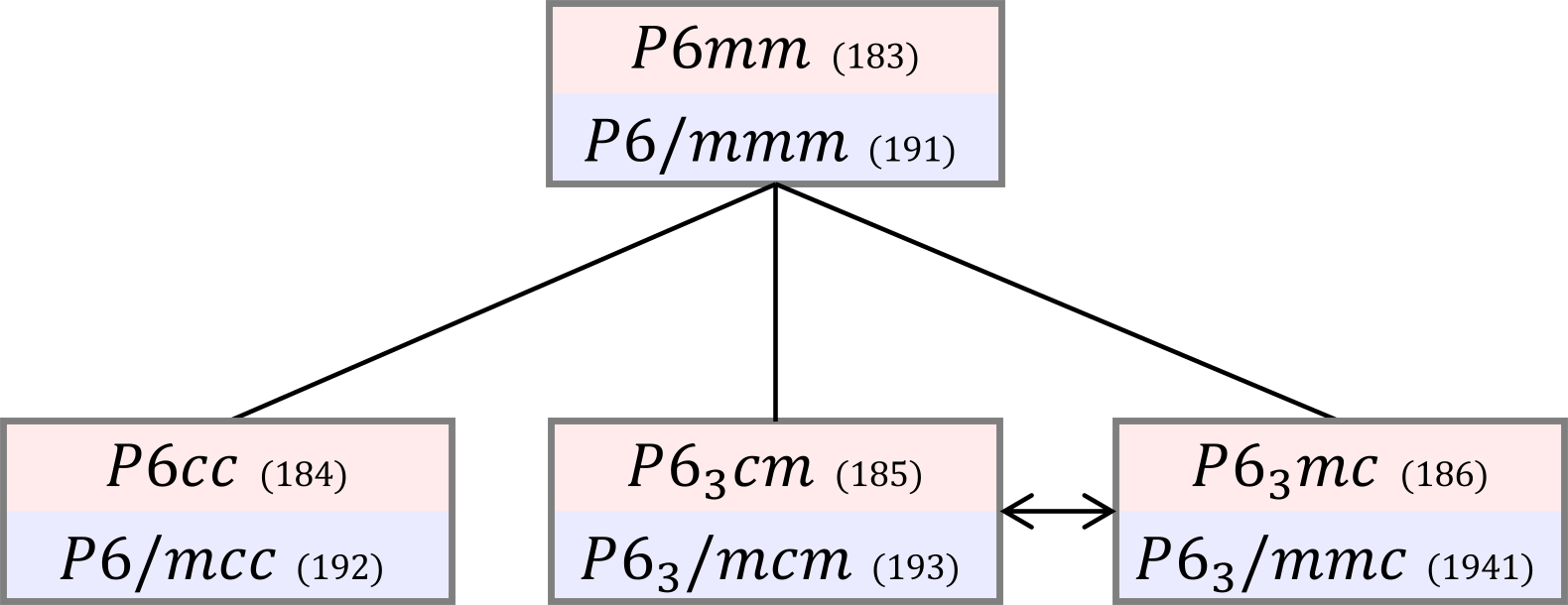
2.5.4.4. + 2.5.4.6.
2.2. crystal class \(\bar{6}m2\)
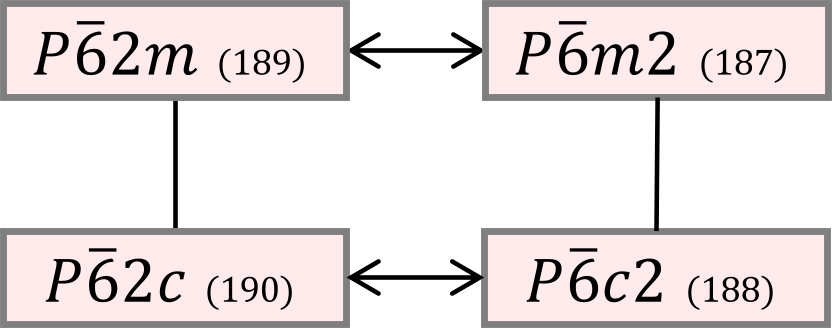
2.5.4.5.
2.3. crystal class \(622\), \(6\)
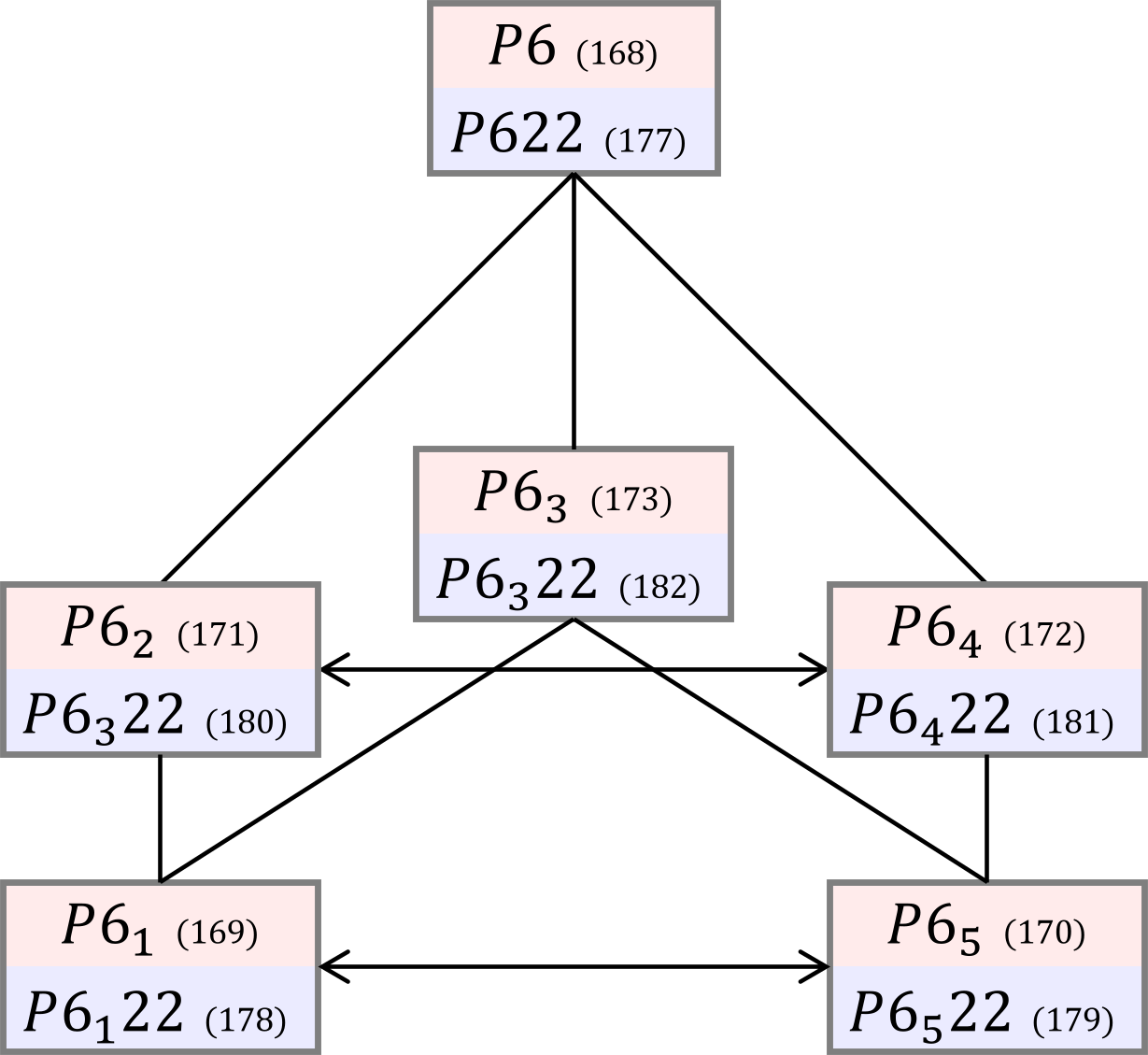
2.5.4.1. + 2.5.4.3.
2.4. crystal class \(6/m\)
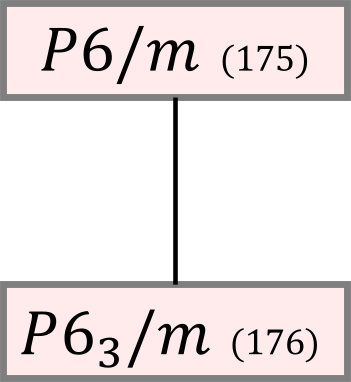
2.5.4.2
3. Trigonal crystal system
3.1. crystal class \(3m\), \(\bar{3}m\)
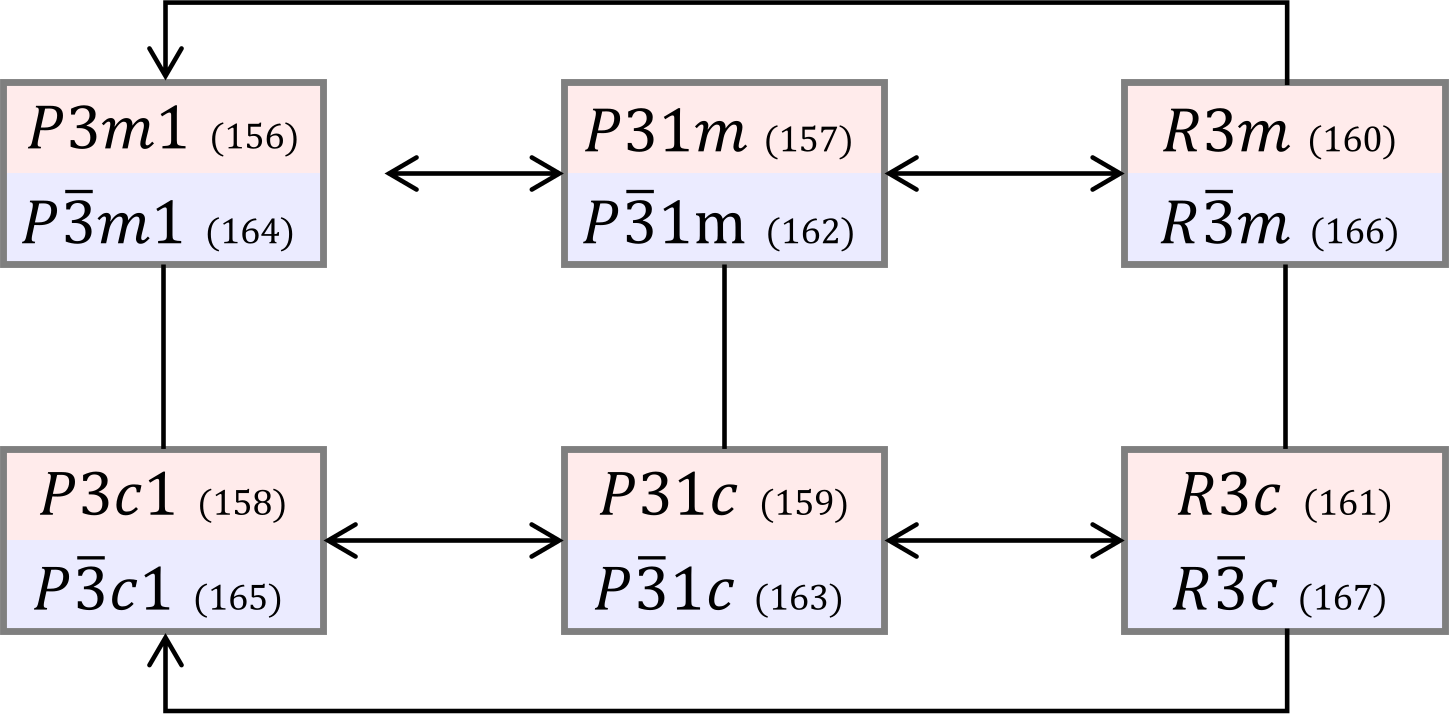
2.5.3.4. + 2.5.3.5.
3.2. crystal class \(32\)
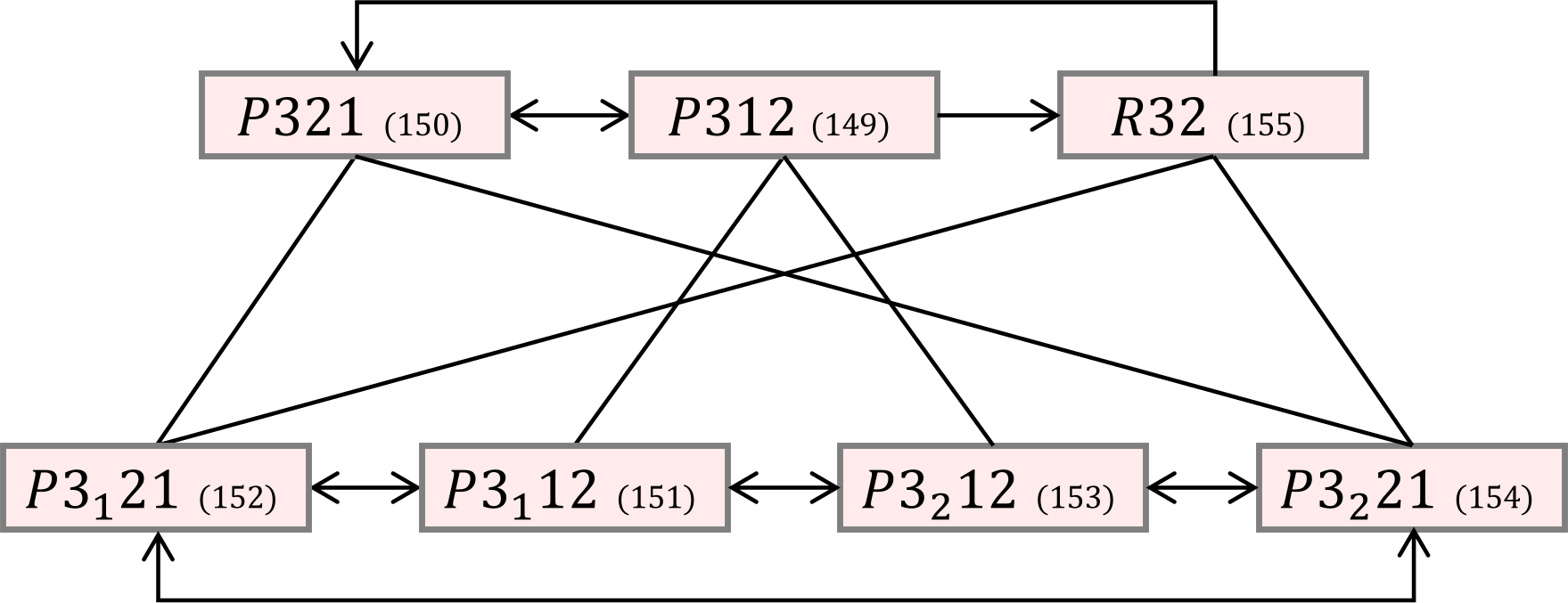
2.5.3.3.
3.3. crystal class \(\bar{3}\)

2.5.3.2.
3.4. crystal class \(3\)
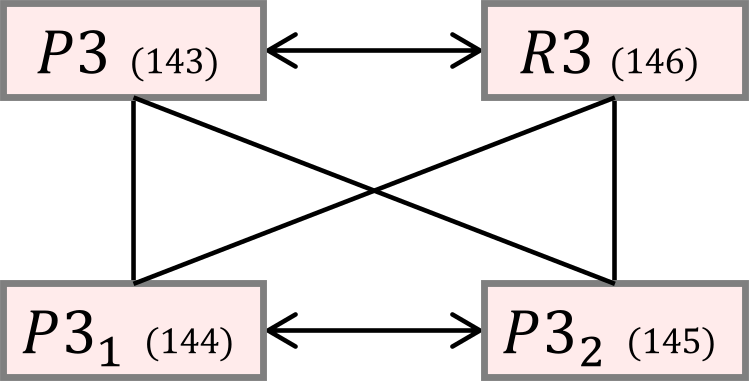
2.5.3.1.
4. Tetragonal crystal system
4.1. crystal class \(4/mmm\)
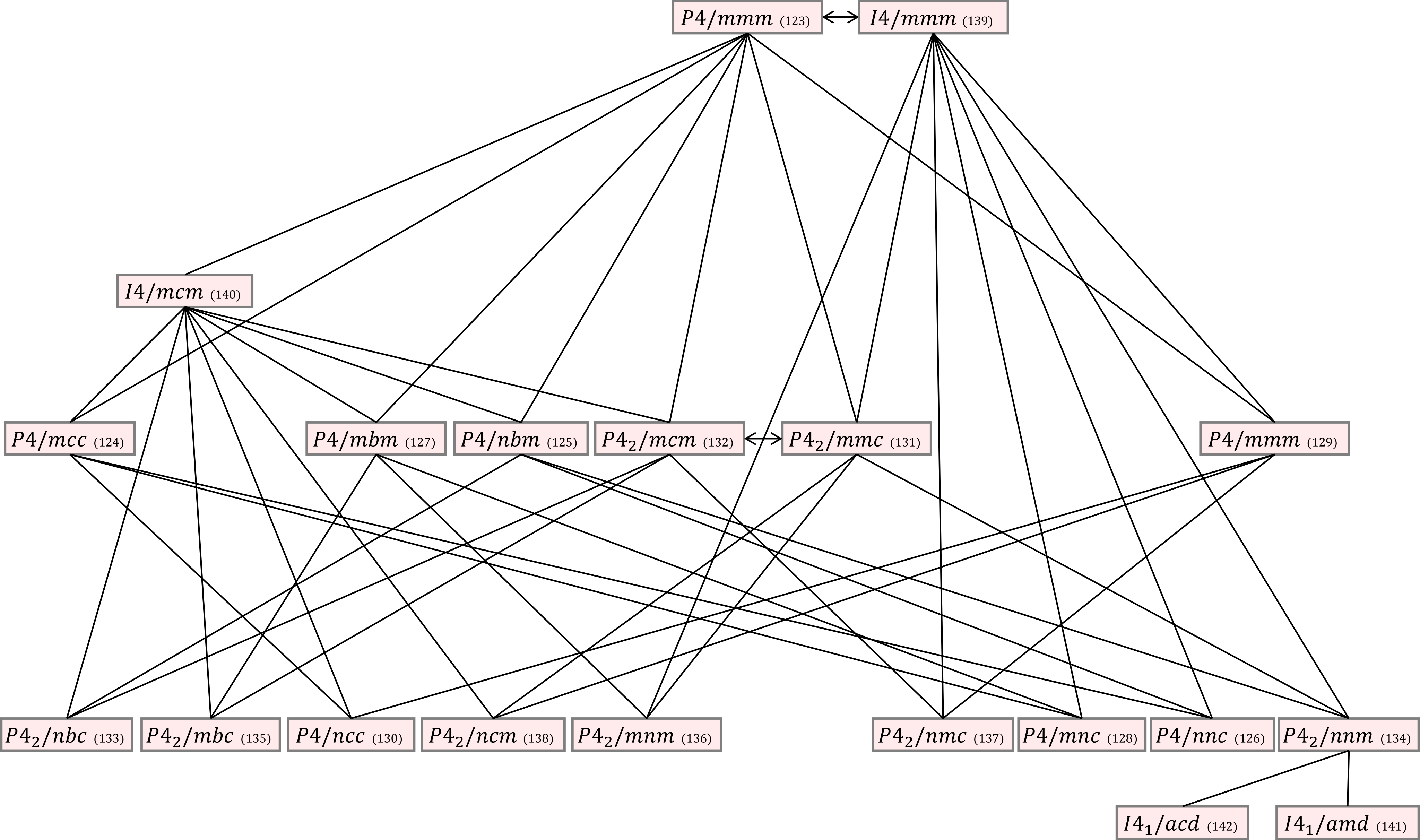
2.5.2.7.
4.2. crystal class \(\bar{4}2m\)
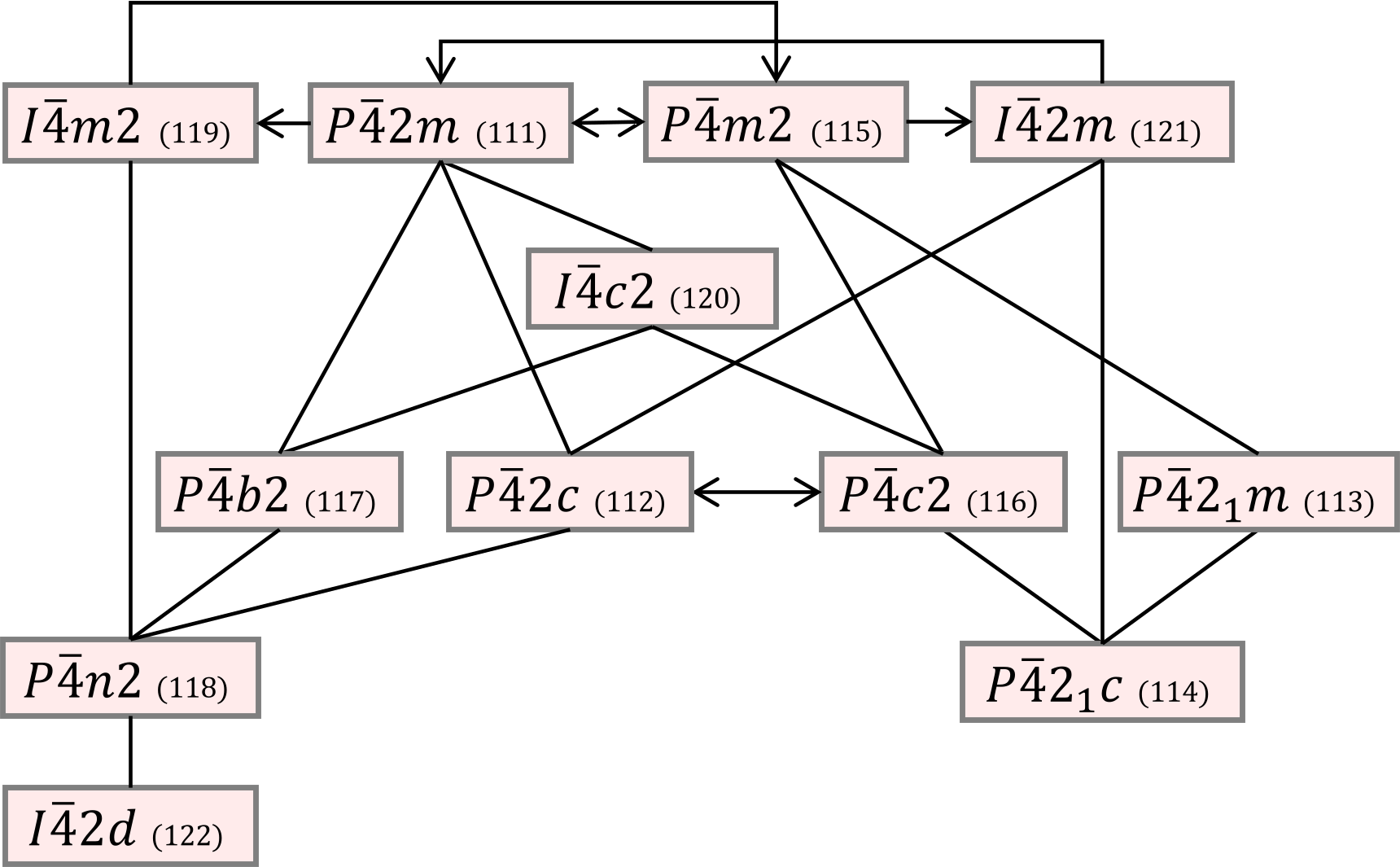
2.5.2.6.
4.3. crystal class \(4mm\)
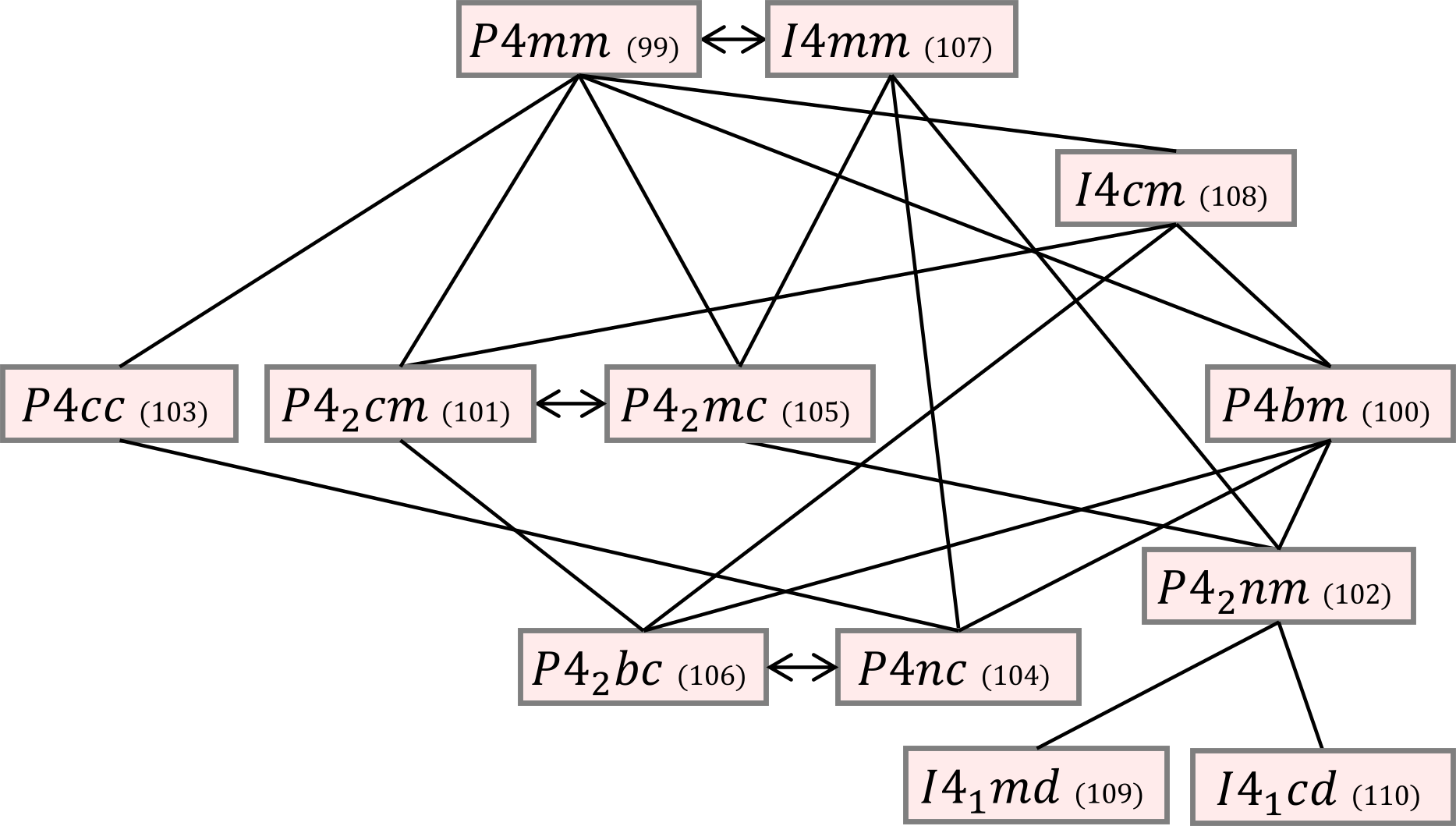
2.5.2.5.
4.4. crystal class \(422\)
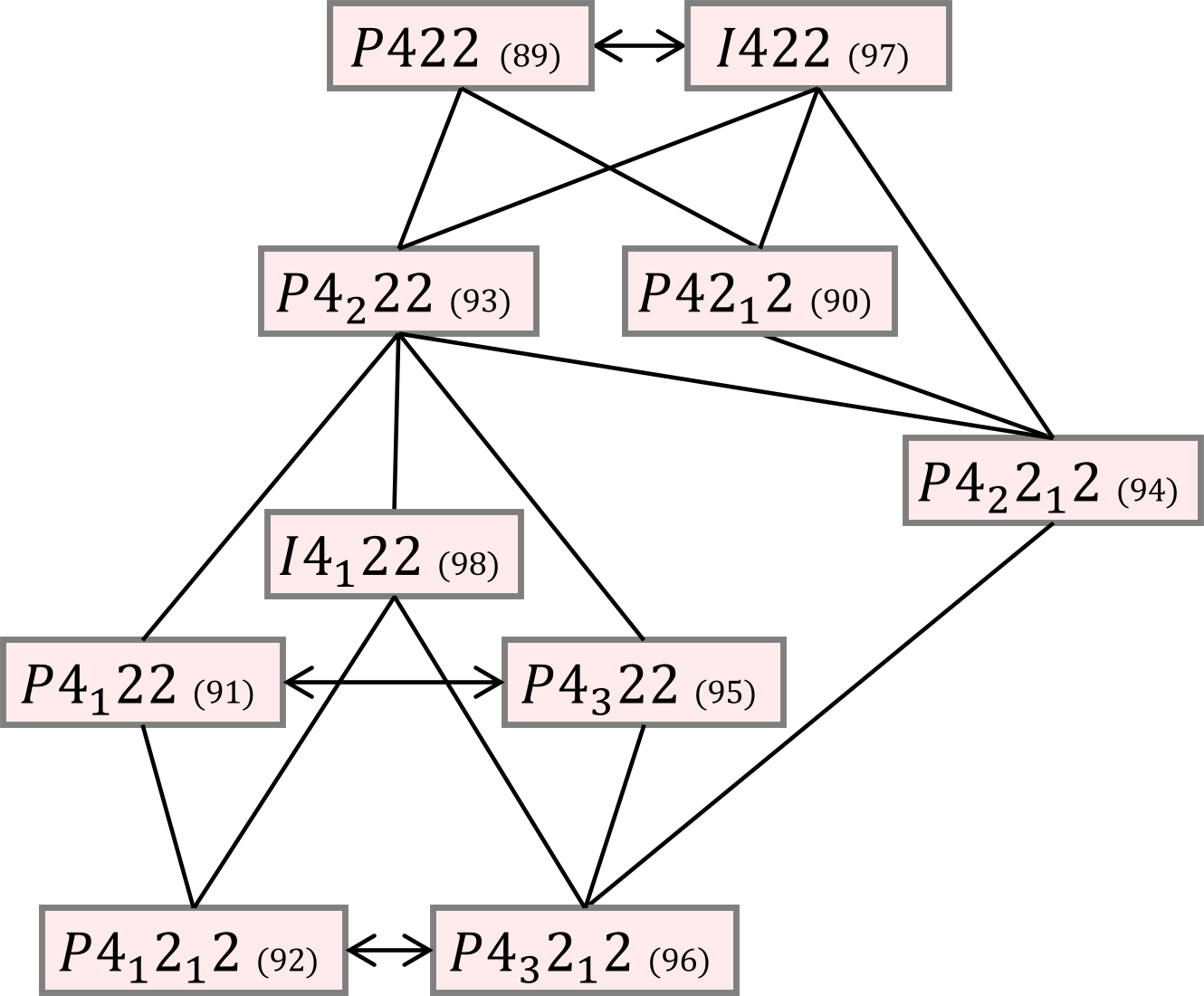
2.5.2.4
4.5. crystal class \(4/m\)
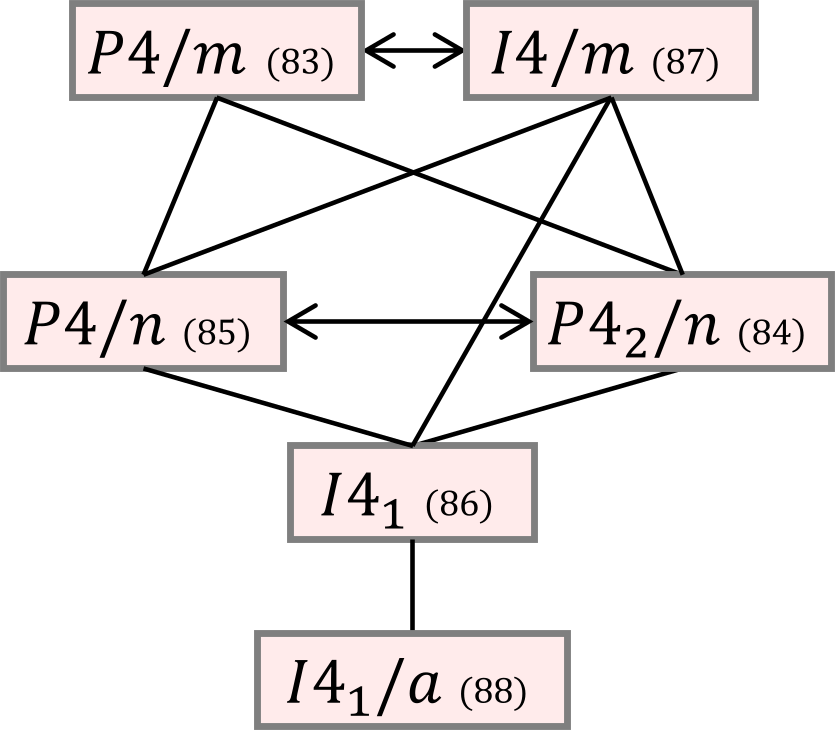
2.5.2.3.
4.6. crystal class \(\bar{4}\)

2.5.2.2.
4.7. crystal class \(4\)
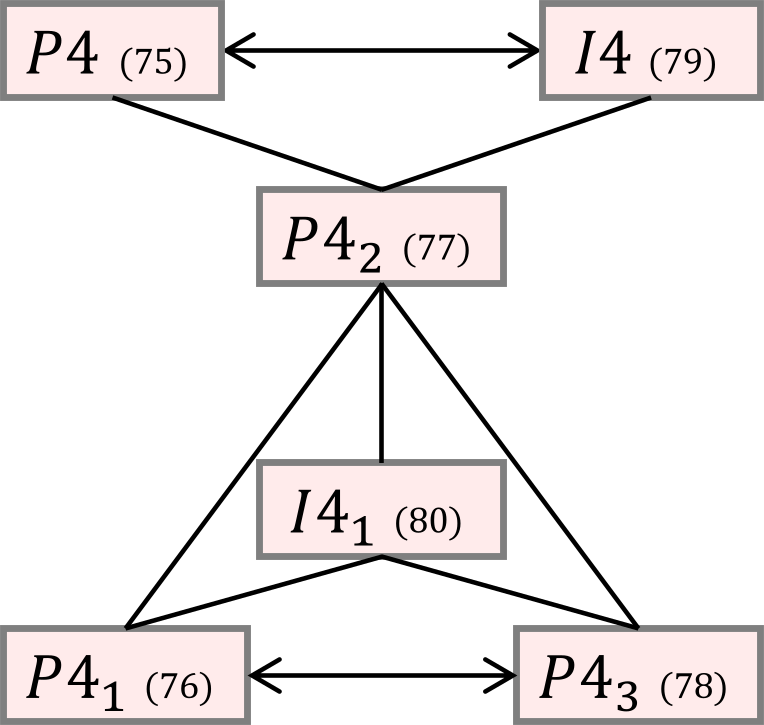
2.5.2.1.
5. Orthorhombic crystal system
5.1. crystal class \(mmm\)
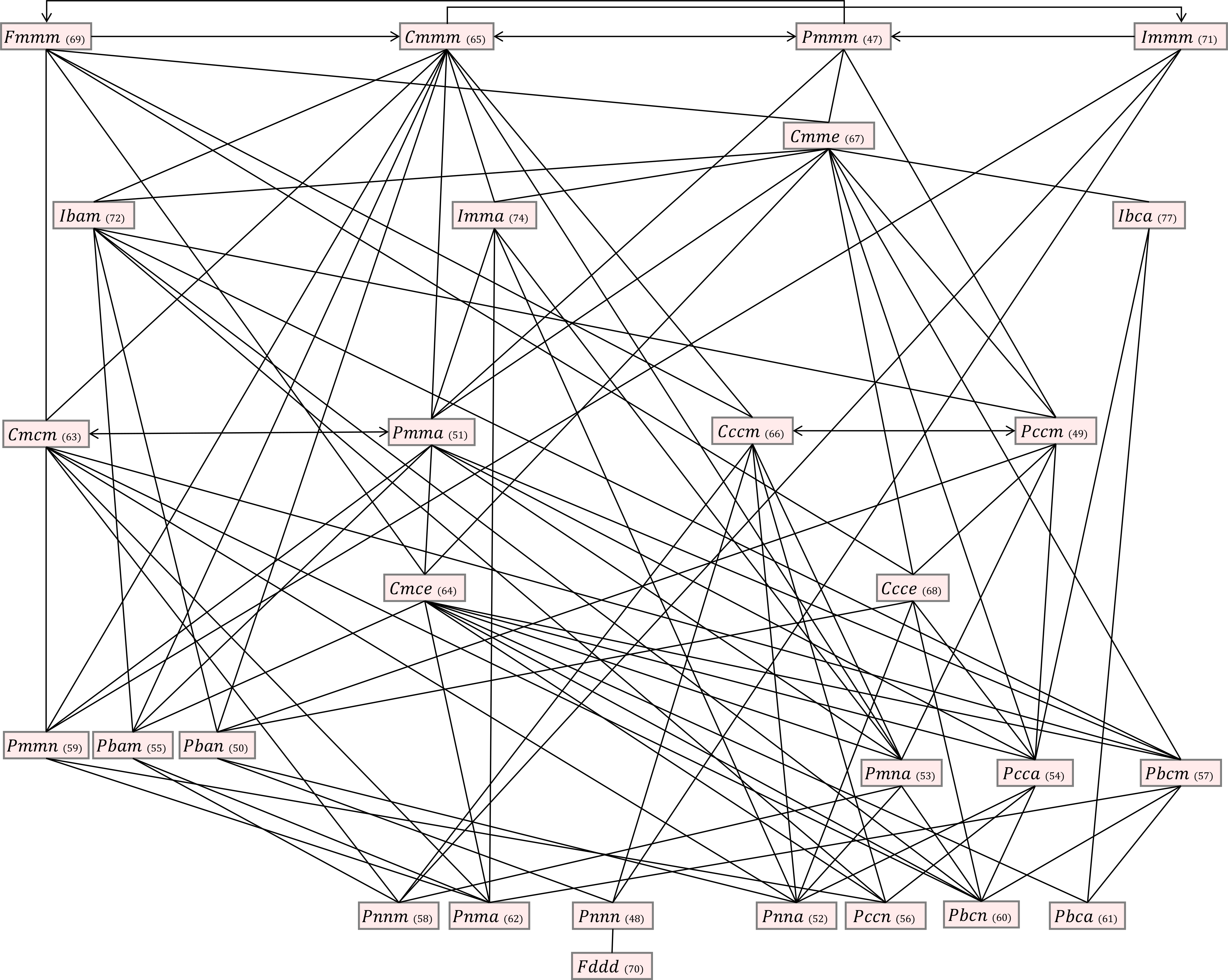
2.5.1.6.
5.2. crystal class \(mm2\)
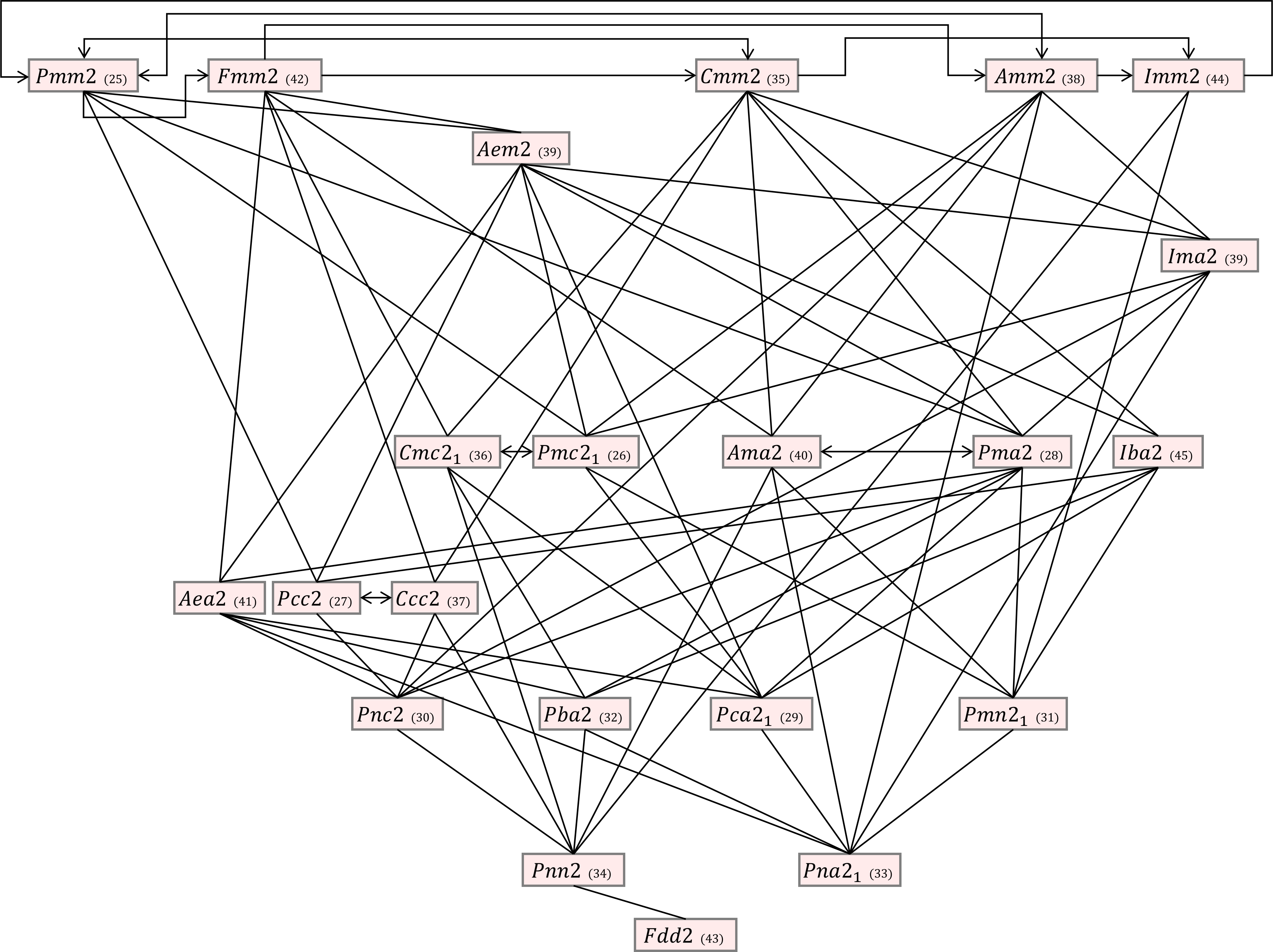
2.5.1.5.
5.3. crystal class \(222\)
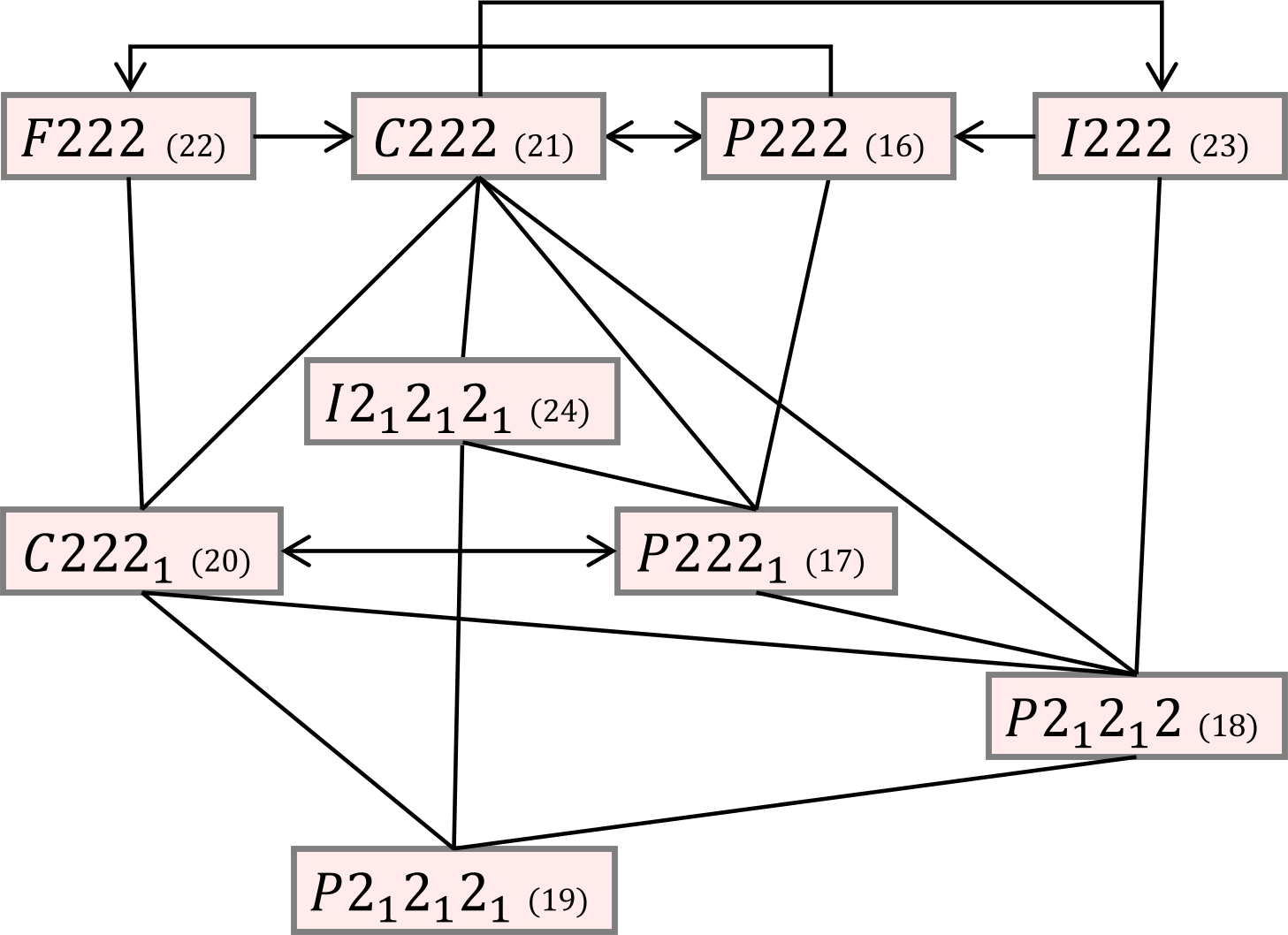
2.5.1.4.
6. Monoclinic crystal system
6.1. crystal class \(2/m\)
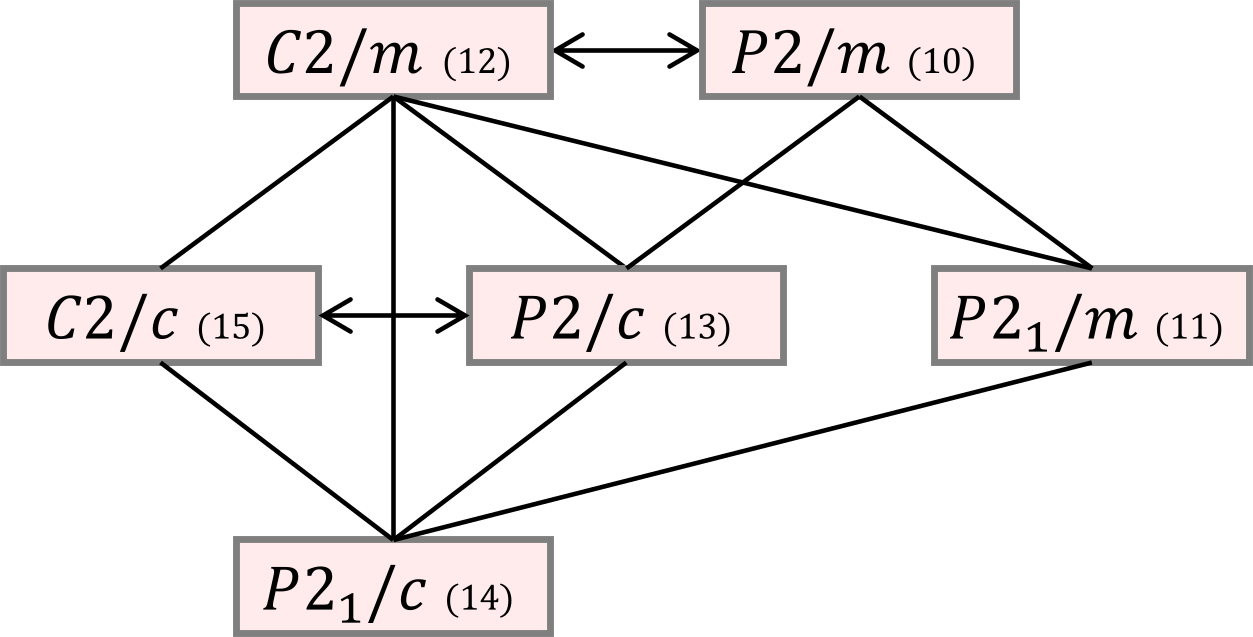
2.5.1.3.
6.2. crystal class \(m\)
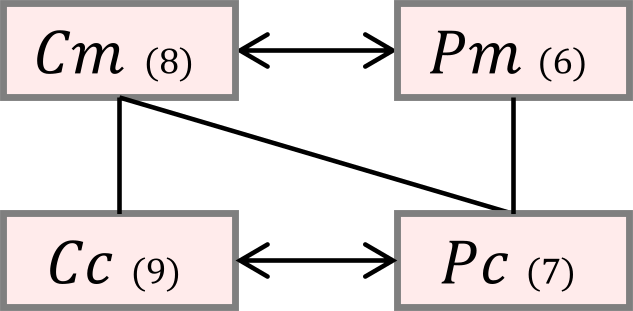
2.5.1.2
6.3. crystal class \(2\)
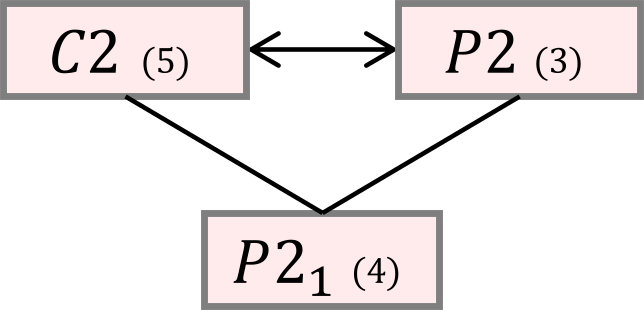
2.5.1.1.
Footnotes
- In International Tables for Crystallography A (5th ed.), these are denoted as “IIc“, and in A1 (1st ed.) as “II (Series of maximal isomorphic subgroups).” ↩︎
- For example, in Graph 1.1., \(Pm\bar{3}m\) and \(Im\bar{3}m\) are connected by a double-headed arrow. The subgroup from the former to the latter is produced by doubling all lattice parameters \(\textbf{a}, \textbf{b}, \textbf{c}\) of the former and removing some point group operations. That is, it is type IIb. The subgroup from the latter to the former is produced by keeping the lattice parameters unchanged and removing the body-centered lattice translation \((\frac{1}{2},\frac{1}{2},\frac{1}{2})+\). This is type IIc. ↩︎